Sports Betting · Explainer
Prediction Markets Explained
A plain guide to sports event contracts, the federal agency that oversees them, and the state and tribal challenges that keep their status unsettled.
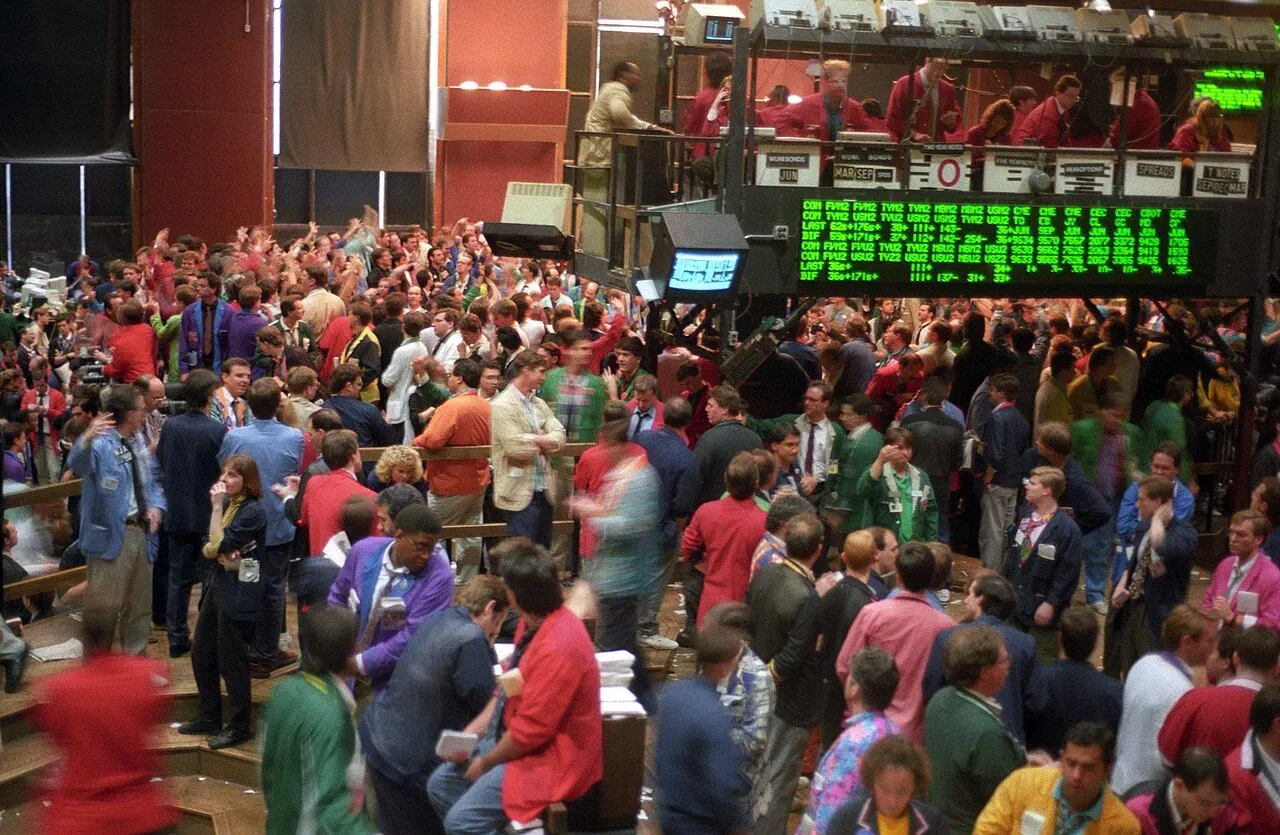
Photograph by Lars Plougmann via Wikimedia Commons (CC BY-SA 2.0)
Prediction markets are legal as federally regulated exchanges, but whether their sports event contracts are lawful is unsettled: the platforms and the Commodity Futures Trading Commission (CFTC) treat them as federal derivatives, while many state regulators and tribes say they are unlicensed sports betting. As of 2026, federal appeals courts have split on the question.
What an Event Contract Is
According to the CFTC, "event contract" is not a defined term in the Commodity Exchange Act (CEA) or the agency's regulations. Event contracts are a type of derivative contract, often a swap with a binary payoff structure, whose settlement is based on the outcome of an underlying occurrence or event. In plain terms, a trader buys a position that pays a fixed amount if an event happens, such as a team winning a game, and nothing if it does not.
Prediction markets that offer these contracts to the public operate as designated contract markets ("DCMs") registered with the CFTC. A DCM must comply with the CEA and CFTC rules, including core principles and product submission requirements for each contract it lists. That federal registration is the platforms' main legal argument: they say the CFTC, not the states, has exclusive jurisdiction over contracts traded on a registered exchange, and the CFTC has taken the same position, including by suing several states that tried to restrict DCMs.
Why Opponents Call It Sports Betting, and the Court Fight
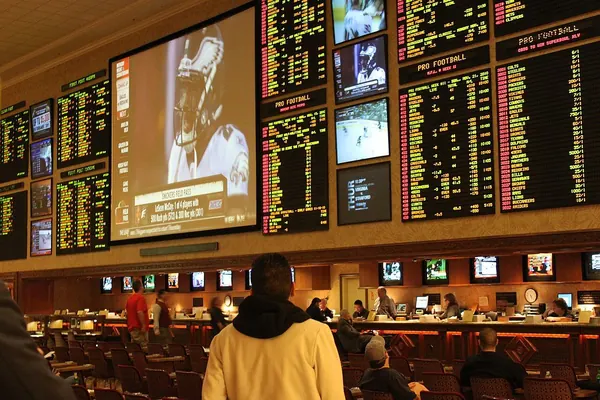
State regulators and tribes argue that a contract paying out on the result of a game is a sports wager whatever it is called, and that anyone taking such wagers needs a state license or, on tribal lands, must comply with tribal gaming law. They also point to CFTC Rule 40.11(a)(1), which bars a registered entity from listing contracts that involve, relate to, or reference "terrorism, assassination, war, gaming, or an activity that is unlawful under any State or Federal law." The American Gaming Association, which represents the legal gaming industry, has taken the same view that sports event contracts are sports betting.
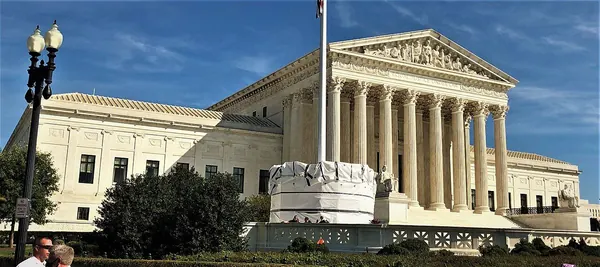
The court fights have produced conflicting results. In April 2026, the U.S. Court of Appeals for the Third Circuit, in a 2-1 preliminary ruling, held that sports event contracts likely qualify as swaps and that federal law likely preempts New Jersey's gambling laws as applied to them. In August 2026, a Ninth Circuit panel ruled 3-0 the other way in a Nevada case, holding that sports event contracts are not swaps under the CEA and that federal law does not preempt state gambling regulation. In September 2026, the Ninth Circuit also sided with two California tribes, finding that sports event contracts offered on their lands likely violate the federal Indian Gaming Regulatory Act. A circuit split of this kind is the usual path to the Supreme Court, and the CFTC has proposed a rule to define "gaming" under Rule 40.11.
The CFTC also has its own investor-protection concerns. In a 2026 advisory, its Division of Enforcement pointed to insider-trading cases on a prediction market and stated that it has full authority to police fraud, manipulation and misuse of nonpublic information on any DCM.
What Readers Should Understand
In practical terms, a federally registered exchange does not settle whether a sports event contract is legal where you are. Depending on the state, the court and the outcome of appeals, access can change quickly, and a platform can be ordered to stop offering sports contracts in a state or on tribal lands. Positions can lose their full value, and state gambling protections may not apply to them. Before trading, check the CFTC's list of registered DCMs at cftc.gov and your state gaming regulator's guidance, and treat the legal status as a question to confirm at the official source. This article is general information, not legal or financial advice.
This article is general information about the law as it stood at the time of writing, not legal or tax advice. Rules change; check the official source before you act.