Sports Betting · Explainer
Offshore Sportsbooks Risks
Why unlicensed overseas betting sites fall outside state protection, what federal law says about them, and how to confirm an operator is licensed.

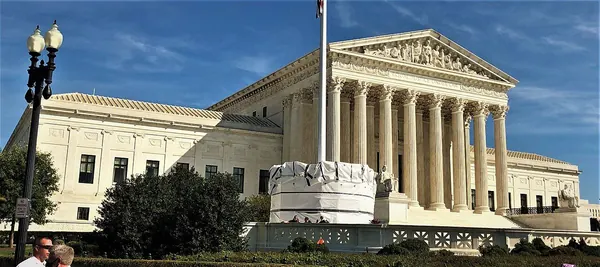
Photograph by Shixart1985 via Wikimedia Commons (CC BY 2.0)
Offshore sportsbooks are not legal options for US bettors: they hold no license from any US state, so no state gaming regulator stands behind your account, your deposits or your winnings. They may look like any other online betting site, but that is what lies beneath.
What Offshore Sportsbooks Are
Offshore sportsbooks are betting sites that operate from outside the United States and take bets from Americans without a license from the state where the bettor is located. According to a December 2025 FBI public service announcement, many offshore gambling websites advertise to U.S. consumers while obscuring their overseas presence, and they "are not held to the same legal standards as U.S. licensed sportsbooks and may lack consumer protections."
Where sports betting is legal, only operators licensed by that state's regulator may take bets there. Tennessee's regulator, the Tennessee Sports Wagering Council, publishes a list of approved licensees with their license and renewal dates and states plainly: "It is illegal to bet on sports in Tennessee with any operator not listed above." In states with no legal sports betting, such as California as of 2026, no sportsbook is licensed at all, so every site offering bets there is outside state law.
The Federal Position
Federal law adds a second layer. The Wire Act, 18 U.S.C. § 1084, makes it a crime for a person in the business of betting or wagering to knowingly use a wire communication facility to transmit bets or wagers on sporting events across state or national borders. The Justice Department's Office of Legal Counsel said in a 2011 opinion that the Wire Act applied only to sports gambling, reversed that view in a 2018 opinion, and in 2021 the U.S. Court of Appeals for the First Circuit held that the law's prohibitions are limited to sports betting. Either way, sports bets sit squarely within it. A separate law, the Unlawful Internet Gambling Enforcement Act of 2006, targets the payments businesses accept for unlawful internet gambling.
These federal laws are aimed at the businesses that take bets rather than at individual bettors. State law can still apply to the bettor, and Tennessee's regulator states that betting with an unlisted operator is illegal in that state. This article is general information, not legal advice.
The Risks and How to Check a Sportsbook
Without the safety net of a state regulator, the consumer is largely on their own. Licensed sportsbooks in Tennessee, according to the state Attorney General's office, "are required to hold reserves to pay out winning wagers, are required to protect consumers' personal information, and are prohibited from allowing individuals under 21" to wager, while "wagering with an unlicensed sportsbook can lead to scammers stealing both a consumer's money and identity." An offshore site has no state regulator to hear a dispute, no required reserves, and no one to order it to release a frozen withdrawal.
To check a sportsbook's status, go to the state regulator's own site, not the operator's claims. The FBI advises bettors to check their state gaming agency's website "to ensure you are betting through a legal sportsbook operator." If a sportsbook does not appear on the regulator's list of licensed operators, it is not licensed in that state, whatever its site says. Suspected illegal gambling operations can be reported to the FBI's Internet Crime Complaint Center at ic3.gov.
State regulators license and oversee only the sportsbooks inside their own jurisdiction. With an offshore site, no official regulator is standing behind the promised services, and the National Council on Problem Gambling lists free, confidential help for anyone whose betting has become a problem at ncpgambling.org.
This article is general information about the law as it stood at the time of writing, not legal or tax advice. Rules change; check the official source before you act.