Tribal Gaming · Explainer
Indian Gaming Regulatory Act
A 1988 federal law, written after a Supreme Court loss for California, still decides which casino games tribes may offer and on what terms.
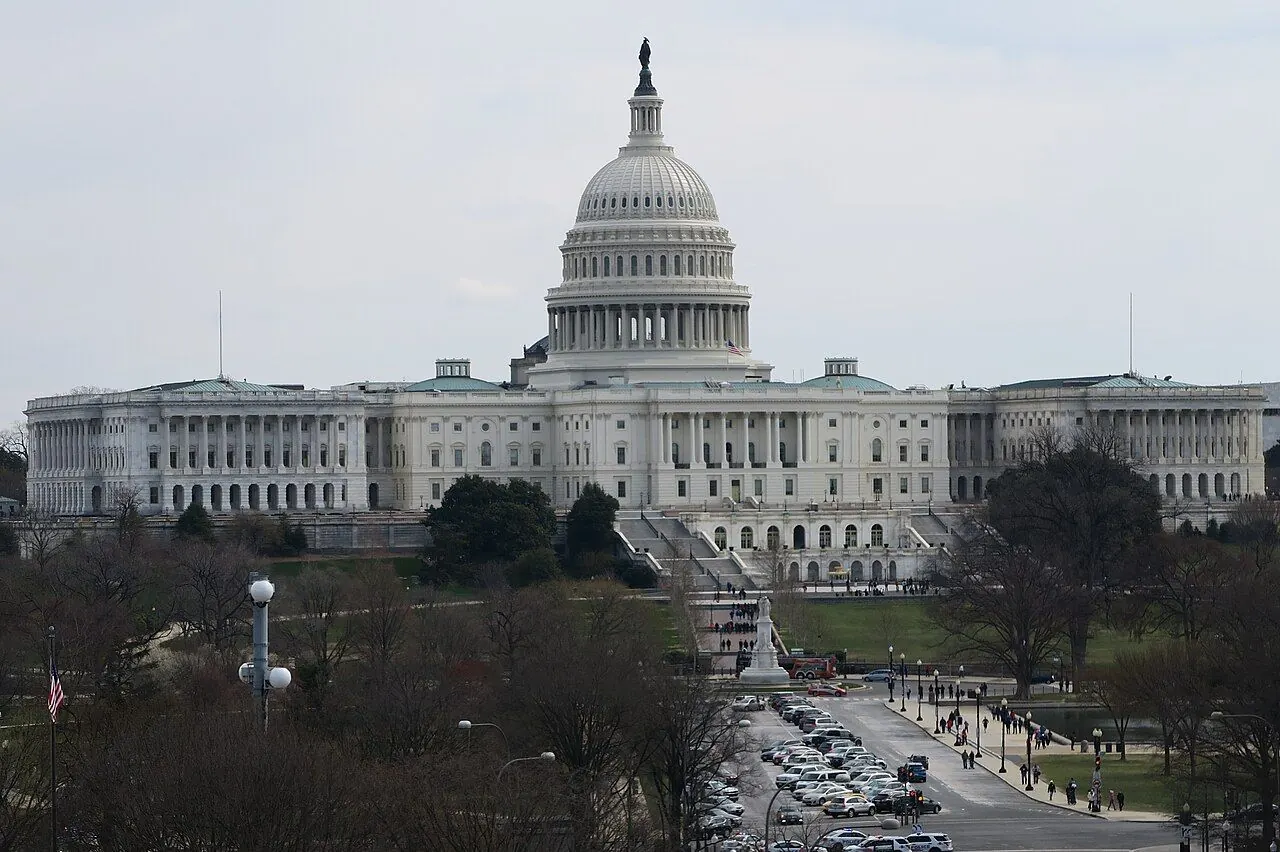
Photograph by Beethoven via Wikimedia Commons (CC BY-SA 4.0)
The Indian Gaming Regulatory Act, or IGRA, created the federal framework that governs tribal casinos in the U.S. Congress passed the Act in 1988 after a 1987 Supreme Court decision on tribal gaming, and it sorts gaming into three classes: Class I, Class II and Class III.
How Cabazon Led to IGRA
On February 25, 1987, the U.S. Supreme Court decided California v. Cabazon Band of Mission Indians by a 6–3 vote. The Cabazon and Morongo bands ran high-stakes bingo on their reservations in Riverside County. The justices held that California could not apply its own gaming regulations to the tribes' games on the reservation: because the state allowed and regulated bingo and card games rather than banning them outright, its rules were regulatory, not criminal prohibitions, and did not reach tribal land.
The Cabazon ruling was a victory for tribes and their sovereignty. It also left open how large casino-style gaming would be regulated without clear federal rules. Responding to the need, Congress enacted IGRA in October 1988. Its main provisions are codified at 25 U.S.C. § 2701 et seq., and it created the National Indian Gaming Commission (NIGC), a federal agency that approves tribal gaming ordinances, oversees gaming operations and can bring enforcement actions. This article is general information, not legal advice.
The Three Classes of Indian Gaming
IGRA divides tribal gaming into three categories, each with distinct legal requirements (25 U.S.C. § 2703):
- Class I covers social games solely for prizes of minimal value and traditional forms of Indian gaming played as part of tribal ceremonies or celebrations. Tribes alone regulate it.
- Class II covers bingo (including with electronic aids), pull-tabs, lotto, punch boards and non-banked card games that state law allows. Banking card games and slot machines are excluded. Tribes regulate Class II gaming themselves, with NIGC oversight.
- Class III is all gaming that is not Class I or II. Games commonly falling into this category include slot machines, blackjack, craps and roulette.
Class III gaming is lawful only if three conditions are met: the tribe has a gaming ordinance approved by the NIGC chair, the gaming is located in a state that permits such gaming for any purpose, and it is conducted under a tribal-state compact that is in effect. When a tribe asks, the state must negotiate a compact in good faith, and the Secretary of the Interior has 45 days to approve or disapprove a submitted compact; if the Secretary does not act, the compact is considered approved to the extent it is consistent with IGRA. In Seminole Tribe of Florida v. Florida (1996), the Supreme Court held that Congress could not let tribes sue unwilling states in federal court to enforce the good-faith duty.
IGRA also limits how tribes may spend net gaming revenue. It may fund only tribal government operations or programs, the general welfare of the tribe and its members, tribal economic development, charitable donations, and operations of local government agencies. Per capita payments to tribal members are allowed only under a revenue allocation plan approved by the Secretary of the Interior, with protections for minors, and members must be told the payments are subject to federal income tax.
Why IGRA Still Matters in Sports Betting Debates
Sports wagering is not listed as Class I or Class II, so tribes offer it as Class III gaming under compacts. After the Supreme Court struck down the federal Professional and Amateur Sports Protection Act in Murphy v. NCAA (2018), states could legalize sports betting, and many tribes sought compact amendments to add it.
The hardest question has been mobile betting placed off Indian lands. In West Flagler Associates v. Haaland, the U.S. Court of Appeals for the D.C. Circuit in 2023 upheld federal approval of Florida's compact with the Seminole Tribe, which treats online bets made anywhere in the state as placed at servers on tribal land, and the Supreme Court declined to review the case in 2024. That model shapes debates in California and other states. Readers should check the NIGC and the relevant state regulator for the status as of 2026.
This article is general information about the law as it stood at the time of writing, not legal or tax advice. Rules change; check the official source before you act.