Tribal Gaming · Explainer
California Tribal Gaming Compacts
A 2000 constitutional amendment lets tribes run full casinos, but only under a compact that the governor signs, lawmakers ratify and Washington approves.

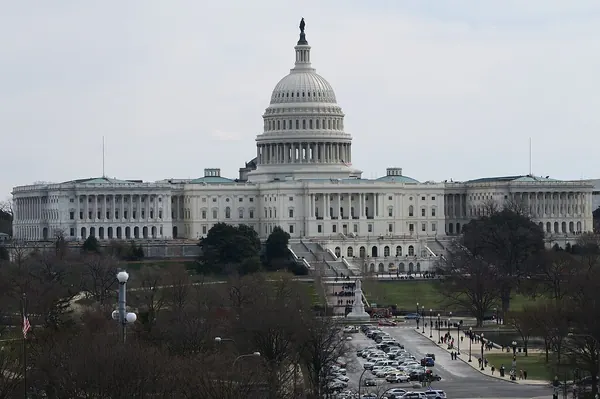
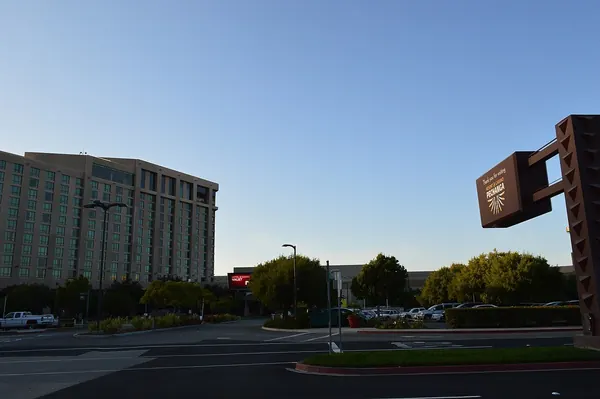
Photograph by Noah_Loverbear via Wikimedia Commons (CC BY-SA 3.0)
In California, only federally recognized tribes may run Nevada-style casinos with slot machines and house-banked card games, and each tribe may do so only under a tribal-state compact negotiated by the governor, ratified by the Legislature and approved by the federal government.
From Proposition 5 to Proposition 1A
The system traces back to two California ballot propositions, both approved by wide margins. In November 1998, voters passed Proposition 5, the Tribal Government Gaming and Economic Self-Sufficiency Act of 1998, which directed the state to enter into a set compact allowing tribes to offer certain Class III games on tribal lands. But Proposition 5 amended state law, not the constitution, and in 1999 the California Supreme Court, in Hotel Employees and Restaurant Employees International Union v. Davis, held its casino provisions invalid because the state constitution barred Nevada-style casinos.
Enter Proposition 1A, a constitutional amendment placed on the ballot by the Legislature. Approved by nearly two-thirds of California voters on March 7, 2000, Proposition 1A amended the California Constitution to authorize the governor to negotiate and enter into compacts for gaming on tribal lands, subject to ratification by the Legislature. It lets tribes operate slot machines, lottery games, and banked and percentage card games such as blackjack on Indian land, but only under an approved compact. The compacts Governor Gray Davis signed with about 60 tribes in 1999 took effect once Proposition 1A passed and became the model for the system as it stands today. This article is general information, not legal advice.
Who Does What
The governor negotiates each compact and the Legislature ratifies it by statute. Because California tribal casinos are Class III gaming under the federal Indian Gaming Regulatory Act, every compact also needs approval by the U.S. Secretary of the Interior before it takes effect. When a tribe and the state cannot reach a compact, the Interior Department can issue "Secretarial Procedures" that set the terms for that tribe's Class III gaming instead.
The California Gambling Control Commission handles the state's side of the compacts: it collects the payments that compacts require, acts as trustee of the revenue-sharing fund and publishes each tribe's compact or procedures. Its compacts page is the official place to read the current terms. At the time of writing, the Commission lists 64 tribes operating 67 casinos statewide; the figure changes as compacts are signed, amended or replaced, so the Commission's page is the source to check.
Sharing Revenue With Non-Gaming Tribes
The Revenue Sharing Trust Fund was created by the 1999 compacts. Money from gaming tribes goes to each eligible California tribe that does not have a compact or that has a compact but operates fewer than 350 gaming devices. According to the California State Auditor, the fund is set up to pay each eligible tribe $1.1 million a year; when deposits fall short, the Legislature has filled the gap from the Indian Gaming Special Distribution Fund, which also pays for state regulation, problem-gambling programs and grants to local governments near casinos.
Not every gaming tribe pays into the same funds, since each compact sets its own payment terms. The practical takeaway: California tribal gaming is not a blanket right. It rests on the constitutional change voters made in 2000, a compact or Secretarial Procedures for each tribe, and federal oversight under IGRA, and anyone checking a specific tribe's rules should read its compact on cgcc.ca.gov.
This article is general information about the law as it stood at the time of writing, not legal or tax advice. Rules change; check the official source before you act.