California · Explainer
California Lottery Money
The Lottery Act, a 2010 amendment and Proposition 20 decide how each ticket dollar is split, and schools get a smaller slice than many assume.
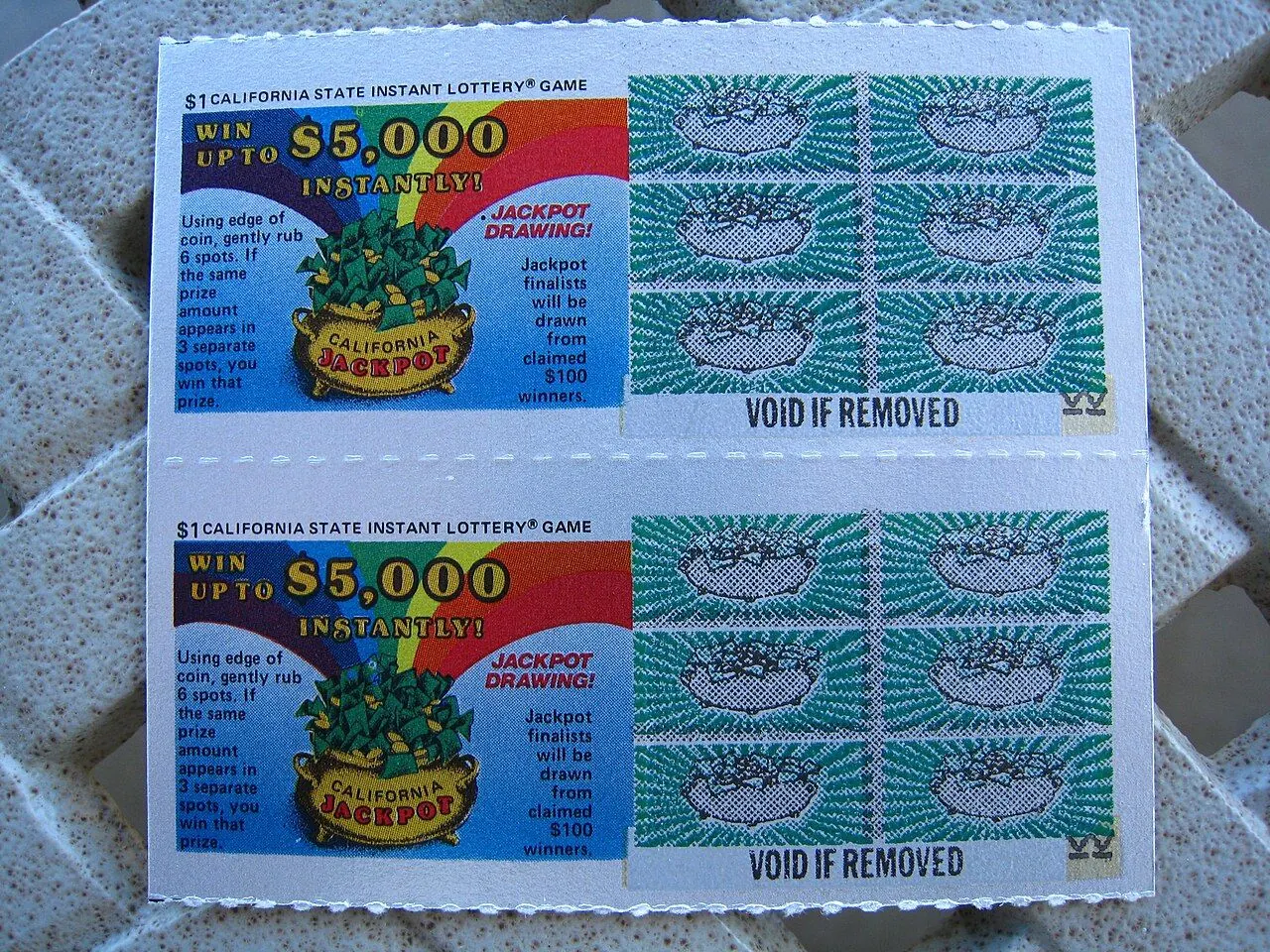
Photograph by Bdviets via Wikimedia Commons (Public domain)
Most California Lottery money goes back to players as prizes; the rest is split among public education, retailer commissions and the Lottery's own operating costs. The education share supplements school funding. It does not cover California's education budget.
In November 1984, California voters passed Proposition 37, the California State Lottery Act of 1984, as a means to provide supplemental funding to public education programs without imposing additional or increased taxes. California Government Code Section 8880.1 states the Lottery Act's intent that funds allocated shall be used exclusively for the education of pupils. This article is general information, not legal or tax advice.
Education's Legal Share
The original 1984 Act required that about 50 percent of revenue go to prizes, at least 34 percent to public education and no more than 16 percent to administration. Assembly Bill 142, signed in 2010, repealed the fixed 34 percent floor so the Lottery could offer bigger prizes. Under Government Code Section 8880.4, as of 2026, not less than 87 percent of annual revenue must return to the public as prizes and net revenue for public education, and no more than 13 percent may pay the Lottery's expenses. The Lottery Commission sets the education share at the level it expects to maximize total dollars for schools, and any savings under the 13 percent cap also go to education.
Proposition 20, passed in March 2000 and known as the Cardenas Textbook Act, adds a second rule. Beginning with the 1998–99 fiscal year, half of the statewide growth in Lottery money for education above the 1997–98 level must go to school districts and community colleges for instructional materials. That makes Lottery money for schools two streams: unrestricted funds and restricted Proposition 20 funds for textbooks and similar materials.
How Schools and Colleges Receive It
The State Controller's Office pays out Lottery education money quarterly. K–12 districts, county offices of education, charter schools and community colleges receive their shares based on average daily attendance, so the amount follows enrollment and attendance. Beneficiaries named by the Lottery also include the California State University, the University of California, UC Law San Francisco (formerly Hastings College of the Law), the state special schools, and education programs at several state departments, among them Corrections and Rehabilitation, Developmental Services and State Hospitals.
The law also says Lottery money must not replace existing funding: no education program may have its appropriation reduced because Lottery funds arrive. In practice the sums are small next to the school budget. The California Department of Education describes Lottery money as about one percent of total K–12 funding, while the bulk comes from the state General Fund, local property taxes and federal aid.
Where to Find the Yearly Figures
A majority of sales goes back out in prizes. The rest is divided among education, retailer commissions and the Lottery's operating costs, and the exact split changes from year to year with sales and prize payouts. The authoritative numbers are in the Lottery's Annual Comprehensive Financial Report and its quarterly "Contributions to Public Education" reports on calottery.com. The California Department of Education's Lottery pages list the per-attendance amounts that districts receive.
Percentages and caps are set by statute and can be amended, so readers checking a specific figure should rely on the current text of the Lottery Act on leginfo.legislature.ca.gov and the latest official reports rather than older news stories.
This article is general information about the law as it stood at the time of writing, not legal or tax advice. Rules change; check the official source before you act.