California · Explainer
California Card Rooms
Poker clubs and card casinos in California run under different rules from Las Vegas, and a long legal fight with tribes keeps testing those limits.
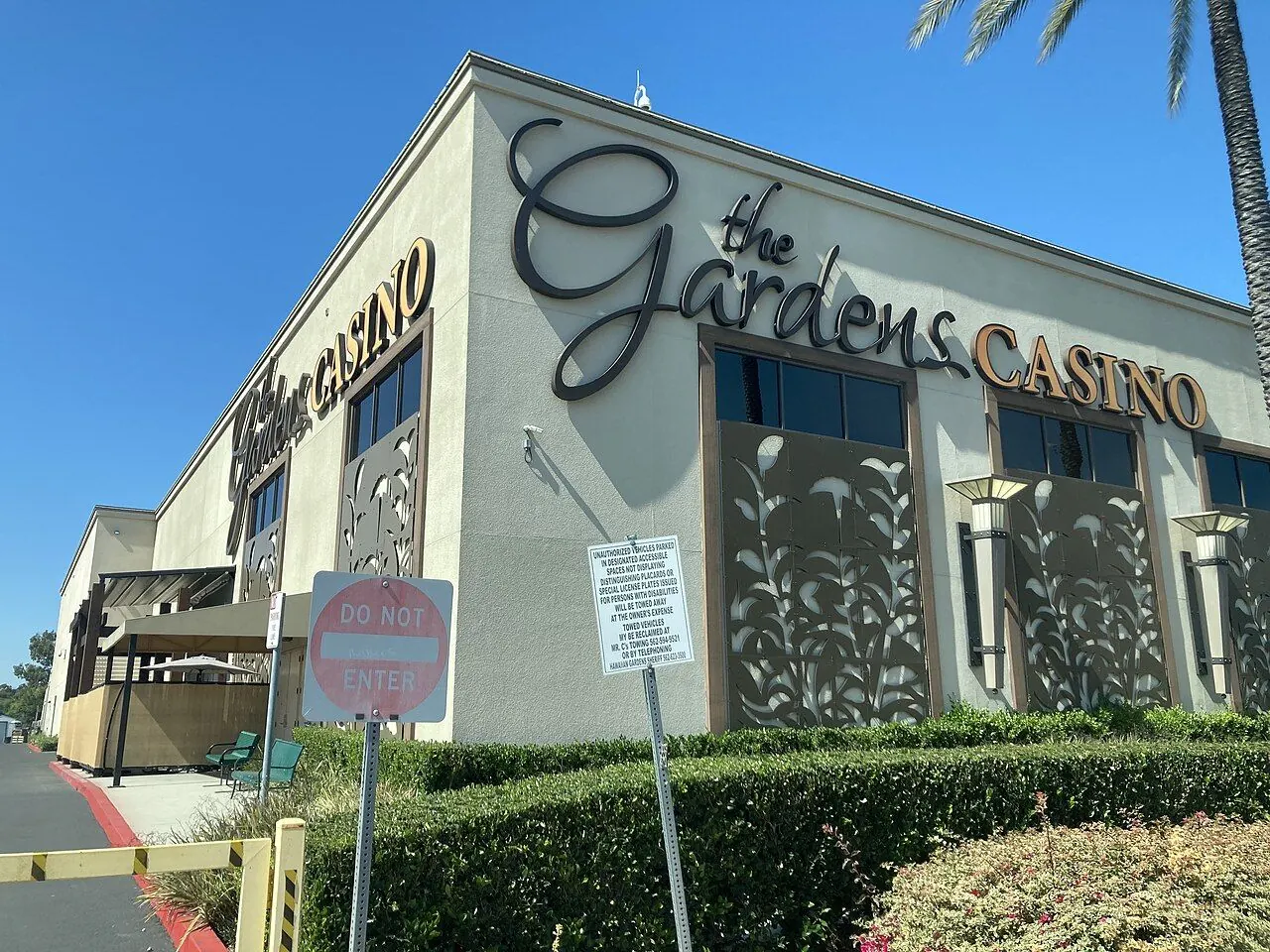
Photograph by DarkNight0917 via Wikimedia Commons (CC BY-SA 4.0)
California cardrooms are state-licensed, locally approved card clubs that may offer poker and other approved "controlled games," but not the house-banked games of a Las Vegas casino; the state's official 2022 voter guide counted 84 of them.
In California, cardrooms are the main legal gambling halls outside tribal lands. The California Department of Justice describes their games as "all controlled games (pai-gow, poker, etc.) and gaming activities (jackpots, bonuses, tournaments, etc.)," and every game must be approved by the state and comply with local gaming ordinances before it is played.
Cardrooms are governed by several layers of oversight. The Attorney General's Bureau of Gambling Control investigates applicants, runs background checks and approves games, while the California Gambling Control Commission issues gambling licenses and work permits and approves additional tables. Cities and counties decide whether a cardroom may operate at all, and many rely on its taxes; CalMatters has reported that San Jose collects about $30 million a year from cardroom taxes.
Player-dealers and third-party providers
The most important difference from Las Vegas-style gaming is that a California cardroom cannot bank its games; it earns its money by charging players fees to play. In games with a "player-dealer" position, a seated player may temporarily wager against the other players at the table. In practice, cardrooms contract with third-party providers of proposition player services whose employees sit in that position, collect bets and pay winners. State law and Commission rules require the owners, supervisors and workers of these companies to be licensed and carry a Commission badge, and the contract must be approved by the Bureau before the service starts.
The dispute with tribes
Tribes hold the exclusive constitutional right to run house-banked, Nevada-style casino games in California. They have long argued that cardrooms offer games such as blackjack, baccarat and pai gow poker that divert revenue from tribal casinos and violate state law. In 2024, SB 549 gave tribes a one-time right to sue cardrooms in state court over these games and the use of third-party proposition players.
The tribes' lawsuit did not succeed at the first stage. In October 2025 a Sacramento County Superior Court judge dismissed it, ruling that federal law preempted the state-law mechanism; the tribes appealed, and at the time of writing the case is before the Third District Court of Appeal. Separately, the Bureau adopted regulations in February 2026 that would have ended blackjack-style games and required the player-dealer position to rotate. In July 2026 the San Francisco Superior Court ruled that the Bureau lacked statutory authority to issue them and barred their enforcement, and the Bureau has appealed.
What a first-time visitor should know
New visitors should not think of California cardrooms as casinos. Players must be at least 21, since state law bars anyone younger from playing or lingering in gaming areas and lets cardrooms rely on a government-issued photo ID. Table limits, fees and game lists differ from room to room and are set within each cardroom's approved rules, so the posted house rules and the floor staff are the best guide.
This article is general information, not legal advice. For the latest status of the cardroom rules and litigation, check the Bureau of Gambling Control and the California Gambling Control Commission. Anyone who needs help with gambling can call 1-800-GAMBLER (1-800-426-2537).
This article is general information about the law as it stood at the time of writing, not legal or tax advice. Rules change; check the official source before you act.