Law & Money · Explainer
Gambling Winnings Tax California
Every win counts as income for the IRS, most count for California too, and only California Lottery prizes escape the state return.
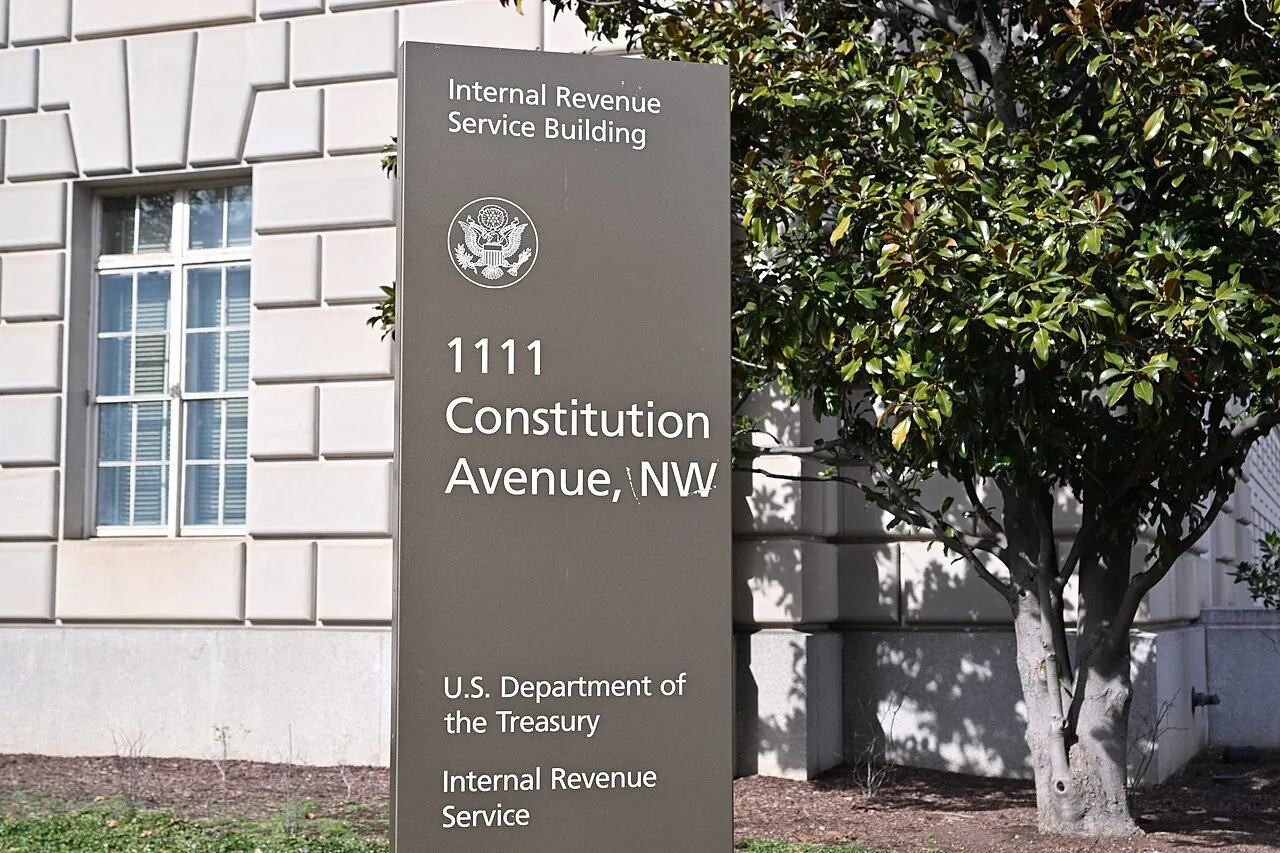
Photograph by G. Edward Johnson via Wikimedia Commons (CC BY 4.0)
Californians must report all gambling winnings to the IRS as income, and California taxes them too, with one major exception: prizes from the California Lottery are exempt from state income tax.
Federal tax and Form W-2G
Federal law requires taxpayers to report all gambling winnings as taxable income on Form 1040, even if they do not receive a Form W-2G. Lotteries, raffles, horse racing, casinos, slots, keno, bingo and poker all count.
A Form W-2G must be issued by casinos, racetracks, lotteries and other payers when winnings reach certain thresholds or when federal tax is withheld. The thresholds depend on the type of game, and the IRS lists them in its instructions for Form W-2G; some were changed for payments made in 2026. The form shows the amount of winnings in box 1 and federal income tax withheld in box 4. On certain larger payouts, such as lottery or sports wagering winnings of more than $5,000, the payer withholds 24% for federal tax. That withholding is only a prepayment: the final tax depends on the winner's total income and bracket.
Deducting losses
Gamblers can claim their gambling losses only as an itemized deduction on Schedule A. Taxpayers who take the standard deduction get no deduction for losses, and losses can never be deducted beyond the amount of winnings reported. Starting with tax year 2026, the One Big Beautiful Bill Act further limits the federal deduction to 90% of gambling losses, still capped at the amount of winnings. A person who breaks even over the year can therefore owe federal tax on part of their winnings.
How California treats winnings
California has no separate gambling tax. Winnings from casinos, card rooms, racetracks and other states' lotteries are taxable income on the California return, taxed at the same rates as other income. State law exempts California Lottery winnings, including SuperLotto, Powerball and Mega Millions tickets bought in California, from state tax. The California Lottery does not withhold state tax, but it does withhold federal tax on prizes over $5,000 and reports them on Form W-2G. Winners who included a California Lottery prize in federal income subtract it on Schedule CA (540).
California does not automatically adopt federal tax changes. Its return follows the Internal Revenue Code only as of a fixed conformity date, so whether the new federal 90% loss limit applies on the state return should be checked in the Franchise Tax Board's current Schedule CA instructions.
Gamblers must keep an accurate record of their winnings and losses. The IRS asks for a diary or similar log plus receipts, tickets, statements or other records that back up every amount claimed.
Rates, thresholds and deduction rules change, so for current figures check IRS Topic No. 419 and the Franchise Tax Board's gambling page before filing. This is general information, not tax advice; a tax professional can apply the rules to an individual return.
This article is general information about the law as it stood at the time of writing, not legal or tax advice. Rules change; check the official source before you act.